About

Real Children. Real Expressions. Meaningful Conversations.

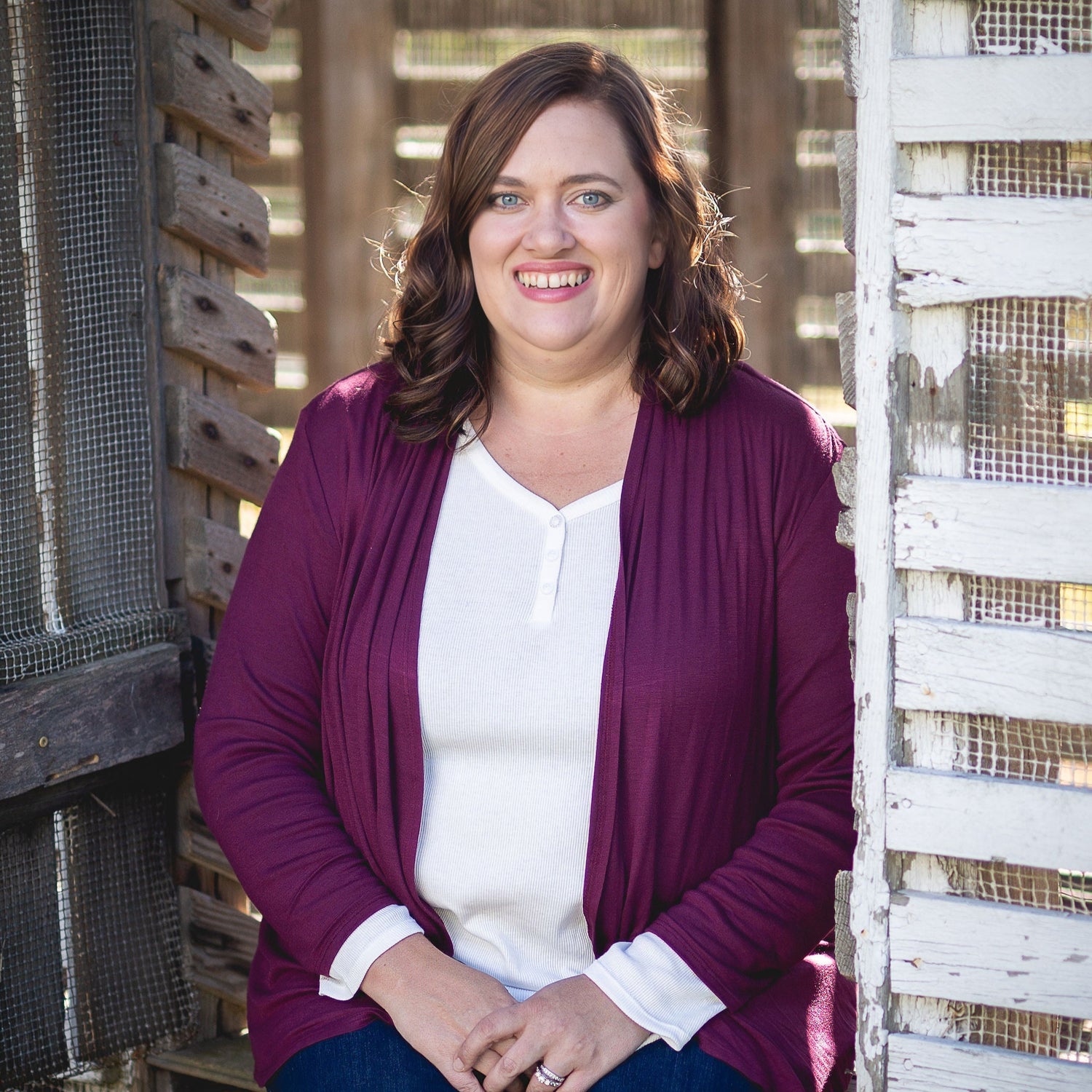
Hi, I’m Amy — educator, photographer, and the creator of Little Moments, Big Feelings.

For years, I’ve worked with children in two very different spaces: in the classroom and behind the camera. Little Moments, Big Feelings grew from bringing those two parts of my life together.

Why Little Moments, Big Feelings?

Children don’t always have the words to explain what they’re feeling. Sometimes they say, “I don’t know.” Sometimes their face says something they can’t quite name yet. And sometimes they simply need an adult willing to sit beside them, notice, and wonder with them.

I wanted to create something simple that could help start those conversations.

Little Moments, Big Feelings uses black-and-white photographs of real children showing recognizable expressions. Each card gives children a real face to observe and a feeling to explore, while giving the adults who care for them a natural place to begin a conversation.

The cards aren’t about finding the “right” answer or telling a child how they should feel. They’re an invitation to look closely, notice what they see, ask questions, share experiences, and make room for whatever comes next.

As a certified early childhood educator and professional children’s photographer, I created Little Moments, Big Feelings to bring those small moments of connection into homes, classrooms, and other spaces where children feel safe to talk, wonder, and be themselves.

Because every feeling has a place.

  • Meet the Creator


    🎓 Certified Early Childhood Educator
    📷 Professional Children & Family Photographer
    🏫 20+ Years Working with Children
    📍 Based in Pottstown, Pennsylvania
    💛 Mom, Educator & Photographer

  • The Heart Behind LMBF

    Little Moments, Big Feelings was created around a simple belief: every feeling has a place.

    Children don't always have the words for what they're experiencing—and adults don't always know how to begin the conversation.

    These cards offer a simple place to start: look at a real face, notice the expression, name what you see, ask a question, and see where the conversation goes.

    There doesn't have to be a perfect answer. Sometimes making space to notice and talk about a feeling is enough.